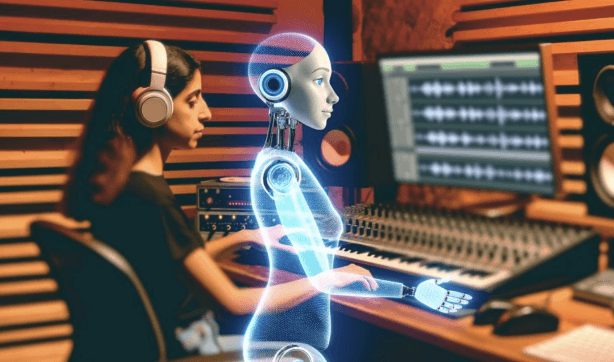
Technology reshapes how music is created, shared, and monetized. Autonomous workflows, high-fidelity production, and modular pipelines accelerate ideation to final mix. Intelligent assistants guide decisions while data analytics reveal listener behavior and optimize campaigns with transparent ROI. Digital rights tech and portable access expand direct-to-creator distribution. AI-enhanced mastering, virtual performances, and ethics-aware platforms balance creator and fan interests within accountable ecosystems. The landscape invites closer scrutiny of what comes next as these shifts converge.
How Technology Transforms Music Creation Today
Technology has accelerated music creation by providing accessible, high-fidelity tools that streamline the entire workflow from ideation to final mix.
The scene favors autonomy, yet raises questions about auto tuning ethics and plugin fatigue.
This analytical view notes modular pipelines, real-time collaboration, and intelligent assistants, emphasizing disciplined curation, throughput discipline, and transparent decision-making to preserve artistry while leveraging scalable, reproducible production processes.
How Data Analytics Reframes Discovery and Revenue
Data analytics reframes discovery and revenue by turning listener behavior into actionable signals. The approach emphasizes data visualization to reveal patterns, trends, and cross-platform correlations, enabling precise optimization of campaigns and provenance metrics. Audience segmentation becomes sharper, aligning releases with niche affinities and pacing. Decisions hinge on measurable signals rather than intuition, expanding opportunities while maintaining scalable, transparent evaluation of impact and ROI.
How Digital Distribution and Rights Tech Change Access
Digital distribution and rights technology extend the analytic lens from audience signals to access pathways and ownership controls. The shift redefines how listeners encounter catalogs, ensuring equitable distribution and transparent licensing. Digital rights frameworks enable direct-to-creator revenue streams and portable access, while distribution access models reduce gatekeeping. This enables freer, choices-based participation, shaping resilient ecosystems and accountable platforms for creators and fans alike.
How AI Mastering, Production Tools, and Virtual Performances Elevate Sound
AI mastering, production tools, and virtual performances are reshaping sound creation and delivery by automating precision tasks, enabling rapid iteration, and expanding performance modalities.
The approach leverages AI mastering to optimize mixes, production tools for modular workflows, and virtual performances to reach broader audiences.
Data analytics informs decisions; digital distribution expands reach; rights tech secures attribution and revenue in evolving ecosystems.
Frequently Asked Questions
How Does Technology Affect Live Audience Engagement Beyond Streaming?
Live audience engagement benefits from live gig tech and audience analytics, enabling real-time feedback, adaptive pacing, and personalized experiences. The approach remains analytical, tech-forward, and concise, appealing to freedom-seeking audiences while maintaining measurable, data-driven insight into performance dynamics.
What Ethical Concerns Arise With Ai-Generated Music?
AI-generated music raises ethics of generation concerns, including transparency and attribution, while scrutinizing artist compensation. The analysis notes potential devaluation of craft, bias in datasets, and need for clear licensing, equitable revenue, and accountability in creative stewardship.
Can Independent Artists Compete With Major Labels Digitally?
Can independent artists compete with major labels digitally? Yes, through agile distribution, data-driven marketing, and creator platforms. The analysis highlights indie bytes advantages and strives for label parity, empowering freedom-seeking creators in a scalable, tech-forward ecosystem.
How Are Creators Protected From Online Copyright Infringement?
Creators are protected through robust copyright enforcement measures and fair use frameworks, enabling swift takedowns, licensing options, and clear policy signals; this tech-forward approach fosters freedom while preserving creators’ rights in a dynamic, digital landscape.
See also: How Technology Is Improving Public Safety
What Thresholds Determine the Value of Music in a Streaming Era?
Exaggerated yet precise, the value thresholds in streaming hinge on audience metrics and evolving royalty models; metrics quantify reach, engagement, and retention, while models realign payouts, balancing platform incentives with artist sustainability in a freedom-seeking, tech-forward market.
Conclusion
Technology is remapping the music ecosystem with surgical precision. Creation accelerates through modular, autonomous workflows, while data analytics illuminate unseen patterns that sharpen discovery and monetization. Rights tech and digital distribution democratize access, reframing authorship as ongoing collaboration between creator and platform. AI mastering and virtual performances push sonic boundaries, yet ethics and transparency anchor progress. In this evolving lattice, innovation is the engine, and accountability the compass guiding sustainable growth for artists and audiences alike.
